
Japan Condominium Management Fees: What Are They and Why Do You Have to Pay Them?
- Jun 9
- 5 min read
Updated: Jun 10

If you've ever looked at condominiums for sale in Japan, you've probably noticed two monthly fees that appear on almost every listing:
Management Fee (管理費 / Kanrihi)
Repair Reserve Fund Fee (修繕積立金 / Shuzen Tsumitatekin)
One of the most common comments I see on social media is:
"The property is cheap, but why are these monthly fees so high?"
Or:
"What are these fees even for?"
The truth is that these fees are a normal part of condominium ownership in Japan and are designed to help maintain the building, common areas, and overall property value.
What Are Japan Condominium Management Fees?
When you purchase a condominium in Japan, you become responsible for paying monthly management fees.
These fees are used to pay the management company that operates and maintains the building. The exact services vary by property, but management fees commonly cover:
Cleaning common areas
Landscaping and garden maintenance
Elevator maintenance
Building inspections
Security systems
Reception or concierge services
Lighting and electricity in shared spaces
Administrative costs
Day-to-day operation of the condominium
In simple terms, the management fee pays for the people and services that keep the building functioning properly.
If you've ever stayed in a condominium building with spotless hallways, clean entrances, maintained landscaping, and friendly staff, the management fee is helping make all of that possible.
What Is the Repair Reserve Fund Fee?
The repair reserve fund fee is separate from the management fee.
Every owner in the building contributes to this fund each month.
The purpose of the repair reserve fund is to save money for major future repairs and renovations.
Examples include:
Exterior repainting
Roof repairs
Waterproofing work
Hallway renovations
Lobby upgrades
Elevator replacements
Plumbing system repairs
Structural maintenance
Rather than asking owners to pay a massive amount of money when repairs are needed, the building collects funds gradually over many years.
This helps ensure that large maintenance projects can be completed without creating financial surprises for owners.
The Long-Term Repair Plan
Many buyers don't realize that most condominium associations and management companies maintain a detailed long-term repair plan.
This plan often outlines:
Planned repairs
Estimated costs
Project timelines
Reserve fund requirements
Future building upgrades
For example, the plan may include:
Exterior repainting in 10 years
Waterproofing work in 12 years
Lobby renovations in 15 years
Elevator modernization in 20 years
When purchasing a condominium, buyers can often review documents showing how the repair reserve fund is being used and what future projects are planned.
This transparency helps owners understand where their money is going and whether the building is being properly maintained.
Why Do Some Buildings Have Higher Fees Than Others?
Not all condominium fees are the same.
Several factors affect how much owners pay each month.
Building Size
Larger buildings typically have:
More elevators
More hallways
Larger common areas
Additional maintenance requirements
As a result, both management fees and repair reserve fund contributions may be higher.
Building Amenities
Luxury condominiums usually cost more to operate.
Examples include:
Concierge services
Reception desks
Security staff
Fitness centers
Lounges
Guest rooms
Meeting spaces
The more amenities a building offers, the more expensive it generally is to maintain.
Building Age
Newer buildings often have higher repair reserve fund contributions because management companies are planning ahead for future maintenance needs.
Older buildings may sometimes have lower monthly fees, although this isn't always a positive sign. In some cases, lower reserve funds can indicate that insufficient money is being collected for future repairs.
Number of Units
Buildings with fewer units often spread maintenance costs across a smaller number of owners.
Conversely, larger condominium complexes with hundreds of units may be able to distribute certain costs more efficiently.
Why Resort Condominiums Often Have Very High Fees
This is something that surprises many buyers.
I recently posted a condominium that was located in a popular onsen resort area.
The property itself was only about ¥3.5 million.
However, the monthly fees were:
Management Fee: ¥38,000
Repair Reserve Fund Fee: ¥11,000
Many people immediately commented that the fees were too expensive.
But when you look at what the building offers, the fees start to make sense.
This particular condominium included:
24-hour reception staff
Onsen facilities
Spa facilities
Restaurant services
Additional building amenities
Those services cost money to operate every day.
The management fee wasn't high because the building was poorly managed. It was high because the building was providing hotel-like services and convenience to owners.
In many resort and onsen condominiums throughout Japan, these higher fees are completely normal.
Don't Compare a Condo to a House Without Considering Maintenance
Sometimes buyers compare condominium fees to a detached house and assume the house is cheaper because it doesn't have monthly management fees.
However, houses also require maintenance.
Homeowners are responsible for:
Exterior repairs
Roof maintenance
Landscaping
Painting
Plumbing repairs
Security systems
Property monitoring
Many owners who live overseas even hire property management companies to regularly inspect and care for their homes.
With a condominium, much of this work is already organized and managed for you through the management company and repair reserve fund.
Are Management Fees and Repair Reserve Funds Worth It?
In most cases, yes.
Well-managed buildings tend to:
Stay cleaner
Maintain higher property values
Avoid major repair issues
Provide better living environments
Remain more attractive to future buyers
When evaluating a condominium, it's important not to focus only on the purchase price.
A building with healthy reserve funds and proper management can often be a much better long-term investment than a cheaper building with inadequate maintenance planning.
Final Thoughts
Understanding Japan condominium management fees is an important part of purchasing a condominium in Japan.
The management fee helps pay for the day-to-day operation and maintenance of the building, while the repair reserve fund helps ensure money is available for major future repairs and renovations.
Although these fees may seem expensive at first glance, they play a critical role in maintaining the property, protecting owners, and preserving the long-term value of the building.
Before purchasing any condominium, always review the management documents, repair reserve fund balance, and long-term repair plan so you fully understand how the building is being maintained.

Looking to Buy Property in Japan but Not Sure Where to Start?
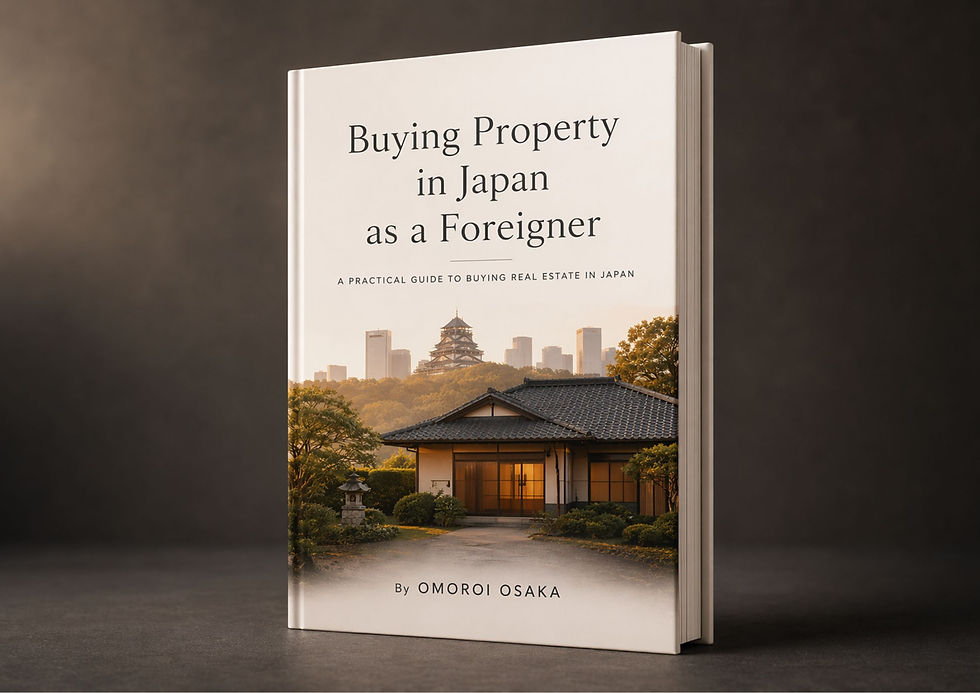
Purchasing property in Japan can feel overwhelming, especially if you're buying from overseas or purchasing your first property in the country. Between understanding ownership rules, taxes, closing costs, financing options, legal procedures, and reviewing property documents, there can be a lot to learn before making a decision.
That's exactly why we created our Foreigner's Guide to Purchasing Property in Japan.
This comprehensive guide was designed specifically for international buyers and walks you through the entire purchasing process from start to finish. Whether you're looking for a vacation home, investment property, retirement property, Airbnb opportunity, or a permanent residence, this guide will help you better understand what to expect before you begin your search.
Inside the guide, you'll learn about:
The complete property purchasing process in Japan
Costs and fees involved when buying real estate
Taxes and ongoing ownership expenses
Property ownership for foreigners
Financing and mortgage considerations
Important documents and legal requirements
Common mistakes foreign buyers make
The role of real estate agents, judicial scriveners, and other professionals
Property management options for overseas owners
Step-by-step timelines from property search to closing
Our goal is simple: to help buyers feel informed, confident, and prepared before making one of the biggest purchases of their lives.
If you're considering buying property in Japan, this guide is an excellent place to start.


Comments